
Presentation of Fenugreek
Botanical description
Family: Fabaceae (leguminous).
Origin: native to south-east Europe and West Asia, now grown worldwide, including India, North Africa and the Mediterranean.
Appearance:
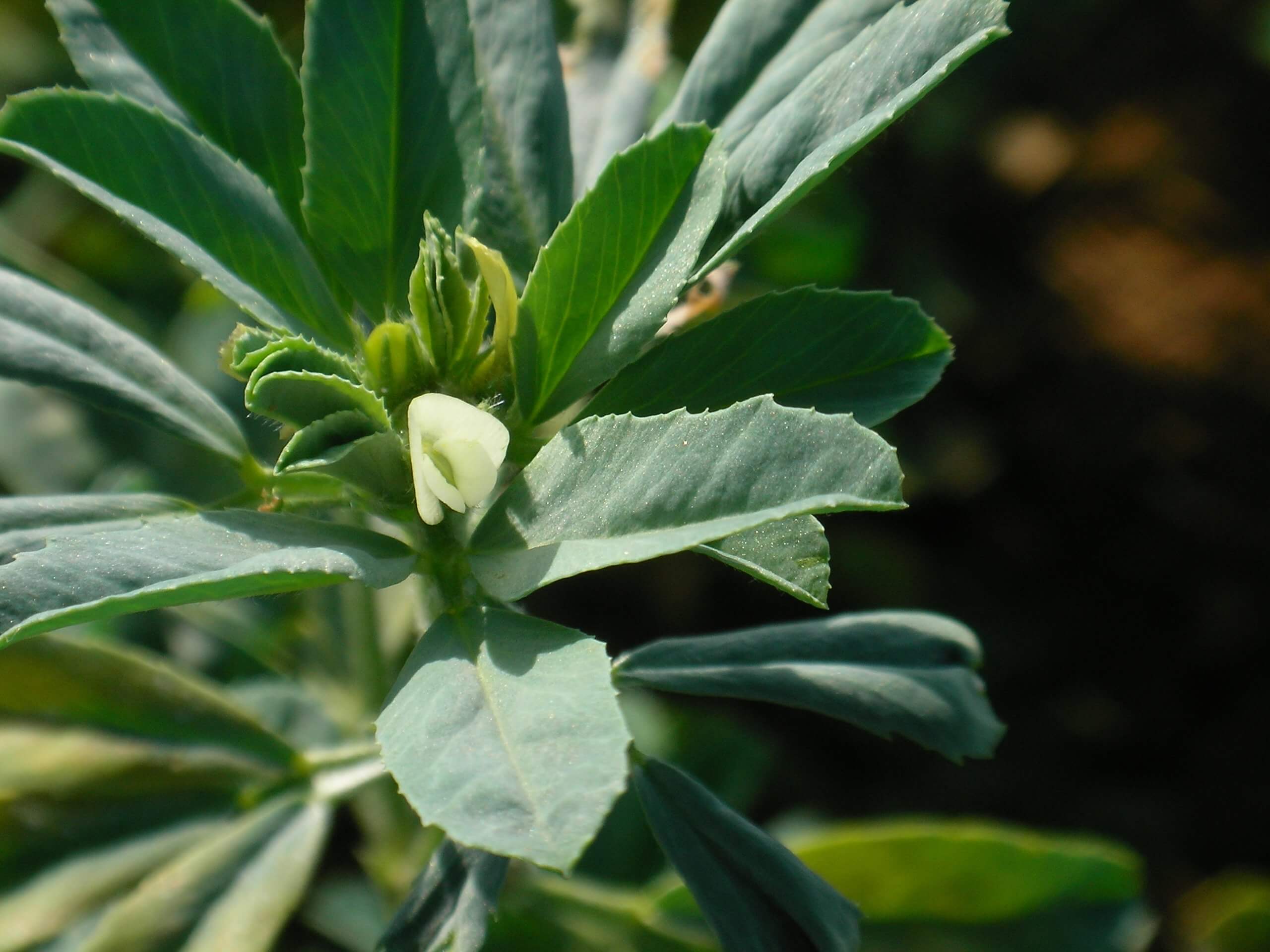
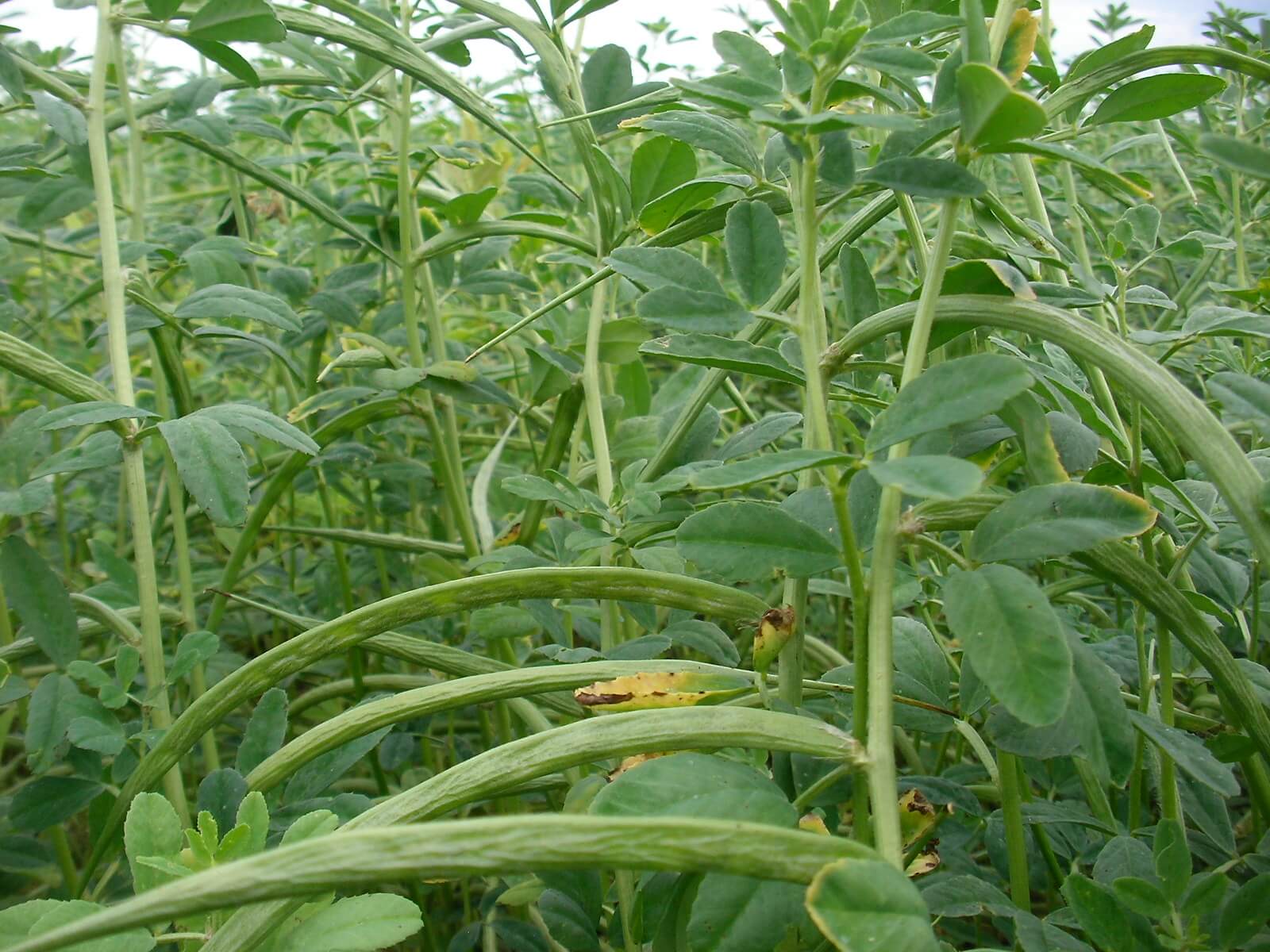
- Annual herbaceous plant, up to 30 to 60 cm high.
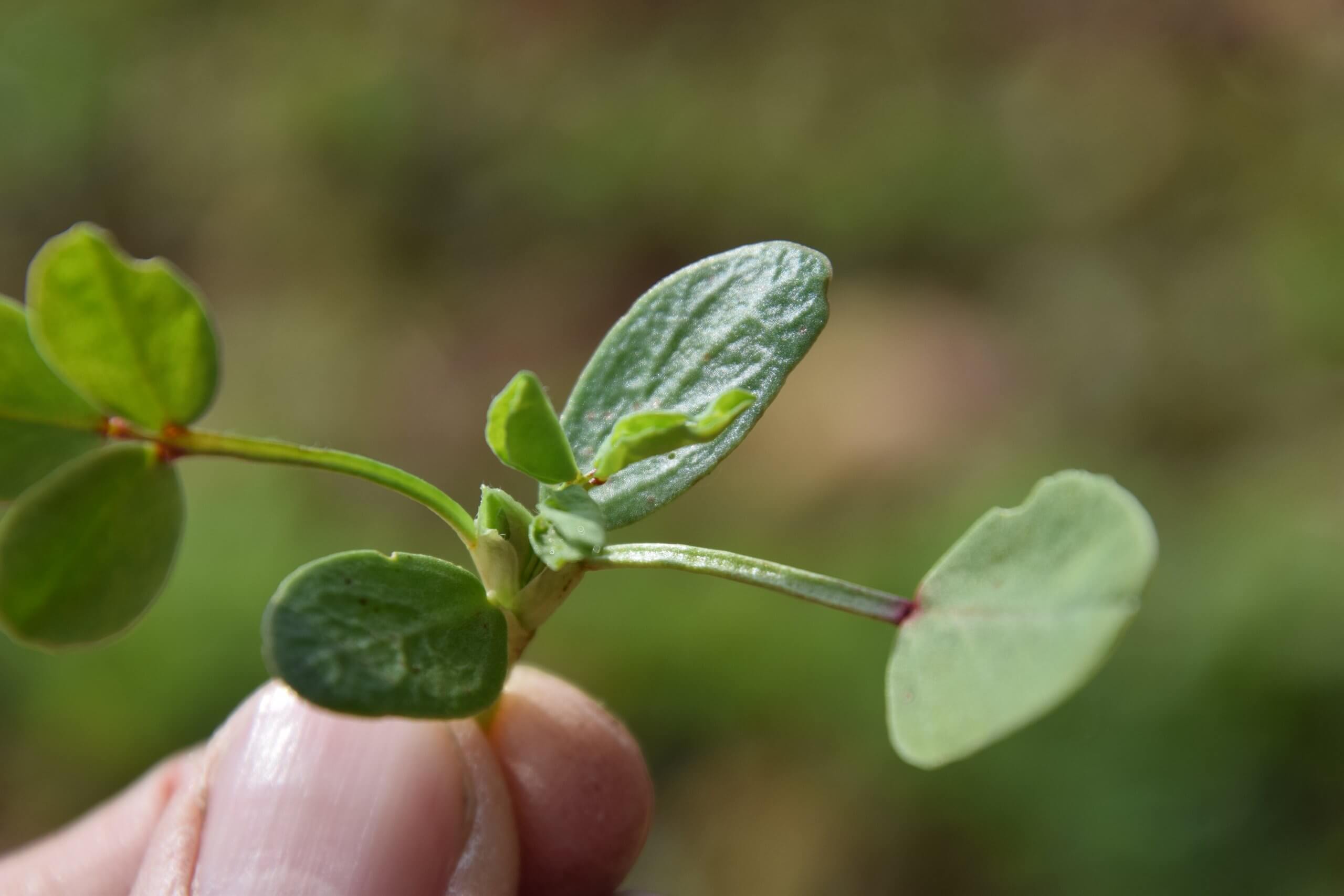
- Trifoliate leaves (composed of three leaflets).
- White or yellow flowers, butterfly shaped.
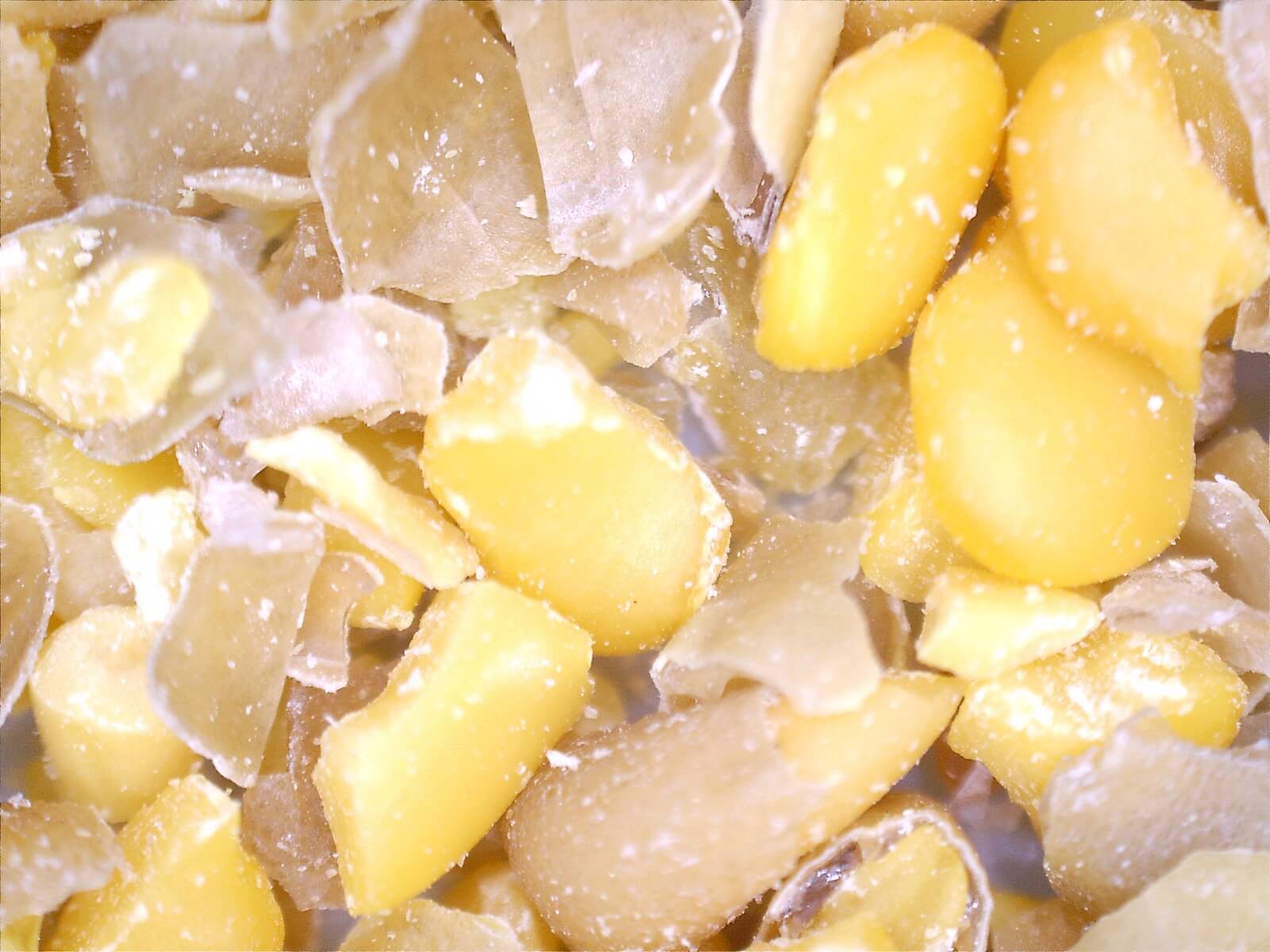
- Foams containing 10 to 20 yellow or brownish seeds, very aromatic.
Traditional uses
Culinary:
- The seeds are used as spices in Indian, Middle Eastern and African cuisine (curry, breads, sauce dishes).
- Fresh leaves (called « methi » in India) are consumed as vegetable or aromatic grass.
- Tastes slightly bitter and reminiscent of maple syrup or nuts.
Medical:
Used since Antiquity for its properties:
- Stimulating: promotes appetite and digestion.
- Galactogen: Increases milk production in mammals
- Anti-diabetic: helps regulate blood glucose (study underway to confirm its effectiveness).
- Anti-inflammatory: used as a cataplasm for skin irritation or joint pain.
- Present in Ayurvedic, Chinese and Arabic medicine.
Other uses:
- Green fertilizers and forage plant.
- Used in the cosmetics industry (shampoings, soaps) for its benefits on hair and skin.
Composition and health benefits
Rich in:
- Proteins, fibres, vitamins (A, B, C), minerals (iron, calcium, magnesium).
- Active compounds: saponins, alkaloids (trigonelline), mucilage, and steroids.
Potential benefits:
- Reduction of cholesterol and triglycerides.
- Support for metabolic health (type 2 diabetes).
- Antioxidant and anti-ageing effect.
- Lactation stimulation (traditional use validated by some studies).
- Improved hair health (reduction of hair loss, stimulation of the shoot).
Precautions and side effects
Contraindications:
- Not recommended for pregnant women (risk of uterine contraction).
- May interact with anticoagulant or hypoglycaemic medicinal products.
Adverse reactions (in case of overdose):
- Digestive disorders (diarrhoea, nausea).
- Characteristic body odour (due to saponin).
- Allergies: Rare, but possible (cutaneous reactions).
Crop and harvest
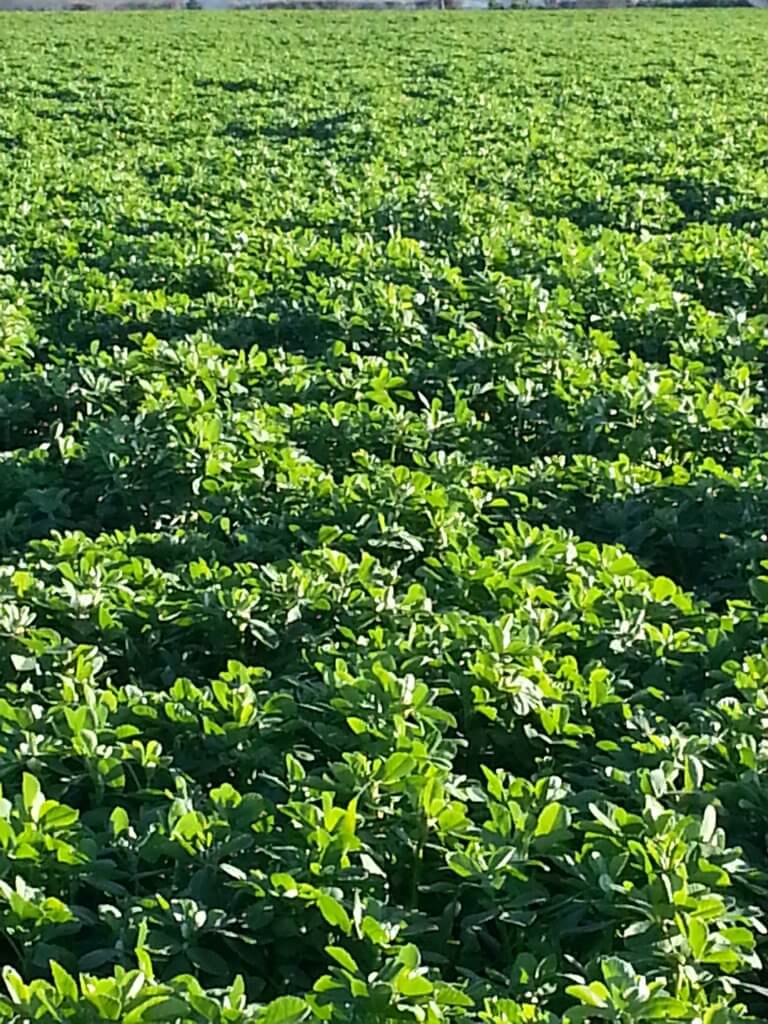
Climate: Prefers warm and dry climates.
Soil: Well drained, rich in organic matter.
Sowing: Spring or autumn, in the middle of the earth.
Harvest:
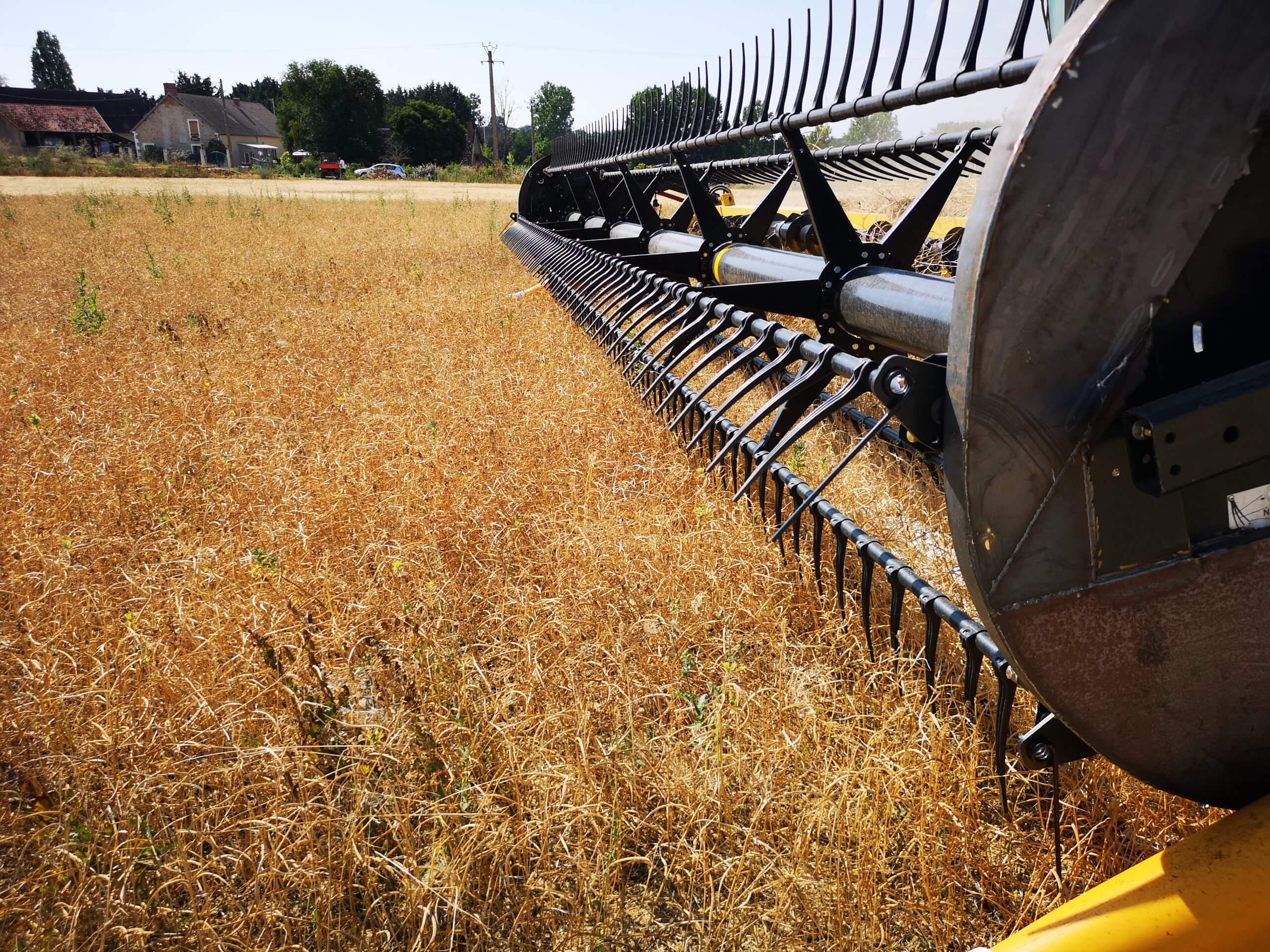
- Seeds: 4 to 5 months after sowing, when pods are yellow and dry.
Anecdotes and Symbolism
- Used in ancient Egypt for embalming and as incense.
- Mentioned in Ayurvedic texts as « miracle plant » for vitality.
- Symbol of prosperity in some cultures.
In summary: Fenugrec is a plant, both food, medicinal and cultural, whose benefits have been recognized for millennia.