
Our applications of Fenugrec
Diosgenin: a natural metabolic asset
Fenugrec owes a significant portion of its nutritional effects to diosgenin, a steroid saponin naturally concentrated in seed. This bioactive molecule acts on several metabolic levers and helps to optimize the energy recovery of rations in livestock.
At France Fenugrec, our selected varieties guarantee a high and stable content of diosgenin, thus ensuring a regular effect in your formulations.
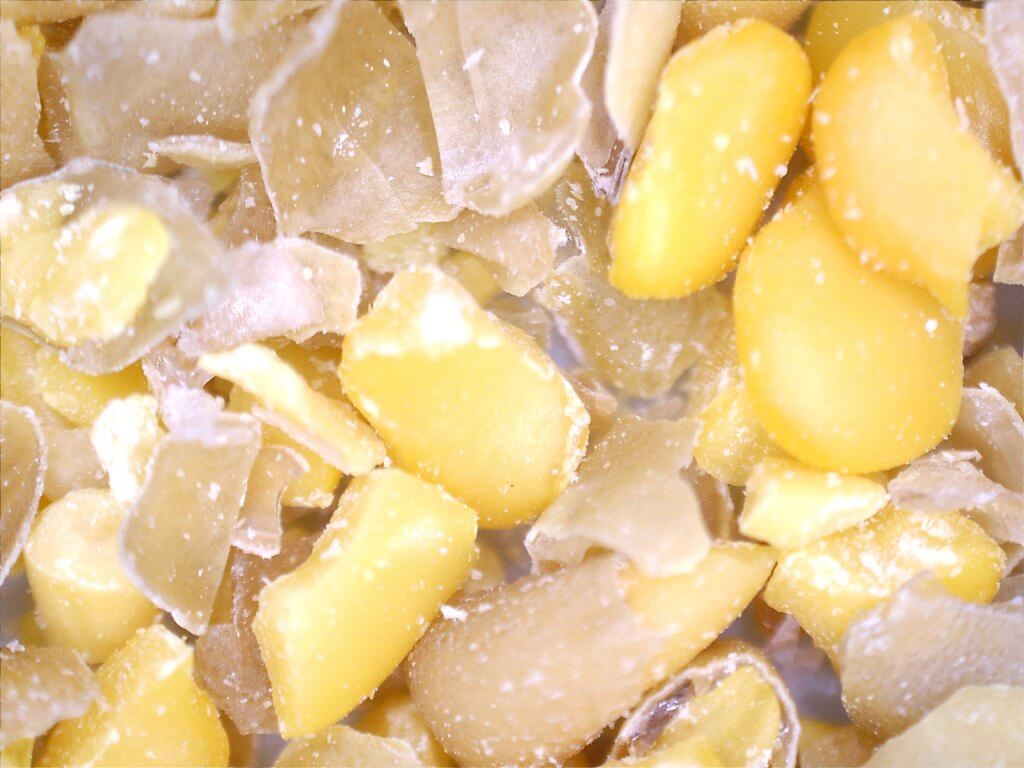
Metabolic mechanisms and effects
Diosgenin intervenes on several physiological axes:
• Lipid and energy metabolism
Modulation of dietary lipid use and support for mobilization of body reserves, particularly useful in early lactation in ruminants or in rapid growth in monogastrics.
• Inflammatory balance and oxidative stress
Protecting cells against metabolic imbalances associated with peak production or food transitions.
• Intestinal health
Support for the integrity of the digestive mucosa, promoting better absorption of nutrients and limiting the risk of digestive disorders.
• Immunity support
Action on innate immune responses, contributing to the general robustness of animals, especially during critical phases (weaning, calving, starting).
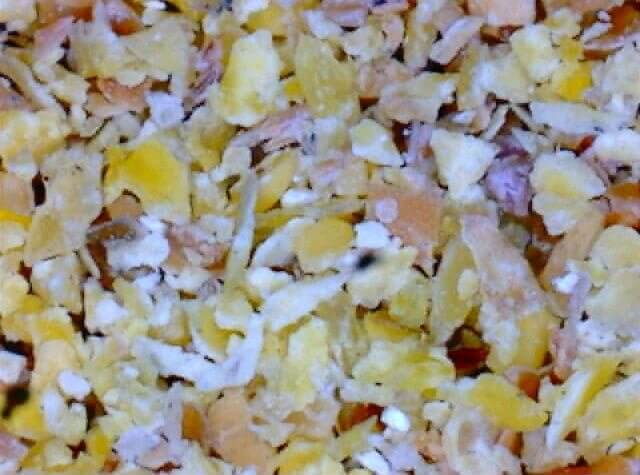
Practical applications in animal nutrition
✓ Ruminants: support of energy balance at the beginning of lactation, improvement of body condition, digestive comfort.
✓ Poultry and pigs: energy recovery of rations, homogeneous growth, reduction of performance variations.
✓ Horses: sustained appetite, digestive comfort, accompaniment of periods of intensive work or recovery.
✓ Fish reared: improved growth, general health and reduced stress from stocking density.
Fenugrec diosgenin France Fenugrec naturally integrates into a formulation strategy aimed at performance, animal welfare and limiting the use of synthetic additives.
The effects described are based on scientific studies and field returns. Results may vary depending on species, physiological stage and overall composition of the ration.
For any use, we recommend consulting a nutritionist or veterinarian.
4-hydroxy-isoleucine: Optimization of insulin response
4-hydroxy-isoleucine (4-OH-Ile) is a rare, fenugrec-specific amino acid that plays a key role in regulating energy metabolism. This molecule promotes a more efficient use of food glucose and improves insulin sensitivity, two essential levers to maximize zootechnical performance.
Our varieties France Fenugrec are selected for their richness in 4-OH-Ile, thus offering food formulators a reliable and efficient functional ingredient, particularly suitable for animals with high production levels or subject to metabolic stress.
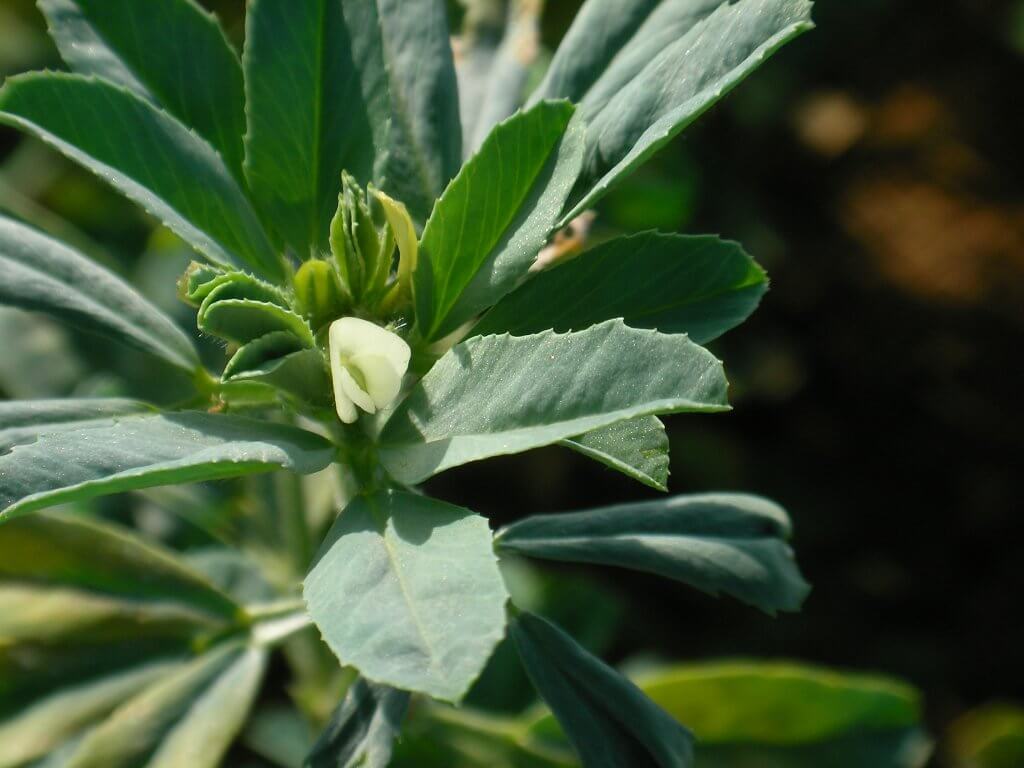
Mode of action and metabolic benefits
4-hydroxy-isoleucine acts on several central metabolic parameters:
• Insulin glucose-dependent secretion
Stimulates the release of insulin by the pancreas only in the presence of glucose, thereby avoiding the risk of hypoglycaemia while optimising postprandial energy uptake.
• Improved insulin sensitivity
Facilitates the use of glucose by muscle and fat tissue, reducing energy losses and improving food efficiency (conversion index).
• Regulation of lipid metabolism
Promotes balanced storage of lipids and limits excessive accumulation of body fat, particularly in intensive poultry and pig farming.
• Support during metabolic stress
Support animals during critical physiological transitions: laying start, early lactation, rapid growth, where energy needs are maximum.
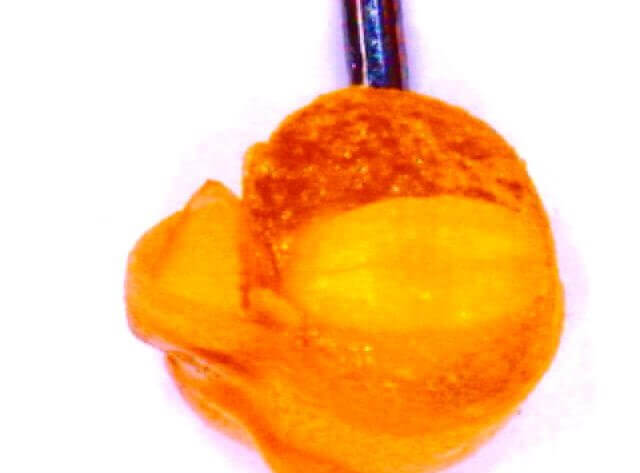
Practical applications in animal nutrition
✓ Ruminants: improved energy balance at the beginning of lactation, reduced metabolic disorders (cetosis, hepatic steatosis), better dairy persistence.
✓ Poultry: optimization of the consumption index, homogeneous growth, improved carcass quality, reduction of excessive abdominal adiposity.
✓ Pigs: sustained growth gains, optimized food conversion, better meat quality (muscle/gras ratio), accompaniment of breeding sows in lactation.
✓ Sports horses: support of exercise capacity, accelerated metabolic recovery, maintenance of body condition during intensive training.
✓ Fish reared: improved growth, improved recovery of food proteins, reduced food conversion factor (FCR).
Integration of 4-hydroxy-isoleucine via fenugrec France Fenugrec offers a natural solution to optimize the energy efficiency of rations, reduce food costs and improve farm profitability.
The effects described are based on scientific studies and field returns. Results may vary depending on species, physiological stage and overall composition of the ration.
For any use, we recommend consulting a nutritionist or veterinarian.
Nutrition by Species: Targeted Benefits
Fenugrec France Fenugrec adapts to the specific needs of each animal species. Thanks to its richness in bioactive compounds (diosgenin, 4-hydroxy-isoleucine, soluble fibres, mucilages), it offers natural solutions to improve zootechnical performance, digestive comfort and metabolic robustness.
Discover applications and benefits by industry:
🐄 Ruminants: support for production and metabolic balance
In ruminants, fenugrec acts on several performance levers:
• Improved appetite and ingestion
Stimulates food intake, especially at the beginning of lactation in dairy cows or during food transitions (pasture passage, ration change).
• Optimization of energy balance
4-hydroxy-isoleucine promotes better use of glucose and reduces the risk of ketosis and hepatic steatosis in early lactation, a period with high energy demand.
• Dairy production and milk quality
Production support in quantity and milk persistence. Some trials also show a positive effect on butyrous and protein levels.
• Digestive comfort and ruminal health
Fenugrec mucilages protect the ruminal mucosa, facilitate transit and improve the overall digestibility of the ration.
• Reproduction and immunity
Beneficial effects on postpartum cycling recovery and immune status, particularly in high-level animals.
Indicative dosage: 50 to 150 g fenugrec per cow per day, to be adjusted according to the physiological stage and composition of the ration.
🐔 Poultry: growth performance and production quality
In poultry farming, fenugrec is recognized for its effects on growth, food conversion and product quality:
• Improving the Consumer Index (IC)
Improved energy use of the food through 4-hydroxy-isoleucine, reducing food costs per kg of live weight produced.
• Uniform growth and weight gain
Stimulation of appetite and food intake, especially during periods of heat stress or when starting.
• Carcase quality
Reduction of excessive abdominal adiposity, improved meat yield, better flesh firmness.
• Egg production and quality
In laying plants: increased number of eggs, improved shell strength, increased yellow colour (indirect effect via carotenoids absorption).
• Immunity and resistance to pathogens
Strengthening natural defenses, reducing susceptibility to digestive infections, natural alternative to antibiotic growth promoters.
Indicative strength: 1 to 3 kg of fenugrec per tonne of complete feed, depending on age and zootechnical objective.
🐰Pigs and rabbits: food efficiency and robustness
In pig and cunicate farming, fenugrec helps optimize animal performance and welfare:
• Improving food conversion
Improved energy efficiency, regular and homogeneous weight gains, reduced fattening time.
• Meat quality
Reduction of excessive adiposity, improved muscle-to-fat ratio, better hold and organoleptic quality of meat.
• Support for breeding sows
Improved appetite in lactation, better milk production, maintenance of body condition, reduction of post-weaning metabolic disorders.
• Digestive health
Protective effects on the intestinal mucosa, reduced incidence of diarrhoea upon withdrawal, improved food transition in piglets.
• Reducing stress and aggressiveness
Soothing effect attributed to the mucilages and soluble fibres of fenugrec, particularly useful in intensive rearing.
Indicative strength: 1 to 2.5 kg of fenugrec per tonne of complete feed, to be adjusted according to the physiological stage (start, growth, reproduction).
🐴 Horses: appetite, digestive comfort and sports performance
Fenugrec is traditionally used in equine nutrition for its tonic and digestive effects:
• Stimulation of appetite
Particularly useful in difficult horses, in recovery, or during stress (transport, competition, environmental change).
• Digestive comfort
Mucilages protect the gastrointestinal mucosa, reduce the risk of gastric ulcers and facilitate transit.
• Maintenance of body condition
Support for weight gain and muscle development in lean horses or during intensive work.
• Sports performance
Positive effect on exercise capacity, metabolic recovery and endurance, thanks to energy metabolism optimization.
• Lactation support
Traditionally used in nursing mares to stimulate milk production.
• General welfare
Beneficial effects on hair (brightness), quality of hooves and overall vitality.
Indicative strength: 20 to 50 g of fenugrec per horse per day, for 3 to 6 weeks, to be renewed as needed.
🐟 Livestock: growth and stress resistance
In aquaculture, fenugrec emerges as a promising natural additive:
• Improving growth
Stimulation of appetite and better valorisation of food proteins, reducing the food conversion factor (FCR).
• Optimization of energy metabolism
Better use of glucose and lipids, promoting consistent and consistent growth.
• Strengthening immunity
Improvement of natural defences, reduction of susceptibility to bacterial and parasitic infections, especially in the context of high stocking density.
• Stress resistance
Protective effect when handling, transporting or varying water quality (temperature, dissolved oxygen).
• Meat quality
Some studies suggest an improvement in the texture, firmness and biochemical composition of the flesh.
Indicative strength: 5 to 15 g of Fenugreek per kg of complete feed, depending on species (salmon, trout, carp, tilapia, bar, dorad) and stage of growth.
🐕 Pets: digestive well-being and vitality
The Fenugreek also finds its place in the nutrition of domestic carnivores:
• Stimulation of appetite
Useful in convalescent, elderly, or capricious animals to encourage food intake.
• Digestive comfort
Mucilages protect the gastrointestinal mucosa, reduce inflammation and facilitate transit in case of mild constipation.
• Metabolic support
Helps regulate blood glucose and lipid metabolism, particularly in overweight or diabetic animals (always under veterinary control).
• Peel and skin
Improvement of the quality of the coat (brightness, flexibility) and support of skin health.
• Lactation
Traditionally used in lactating females to stimulate milk production.
Indicative strength: 0.5 to 2 g of Fenugreek per day according to the weight of the animal (cat: 0.5 g, dog 20 kg: 1 g, dog 40 kg: 2 g), for 2 to 4 weeks. Always ask the opinion of a veterinarian before any supplementation.
Summary and recommended dosages
The assays presented below are indicative ranges based on field returns and experimental data. They may vary depending on the composition of the ration, the physiological stage of the animals, zootechnical objectives and local regulatory constraints.
For optimal integration of Fenugreek France Fenugrec In your formulations, we recommend consulting a nutritionist or veterinarian to adjust the doses to your breeding context.
| Species | Form of administration | Indicative strength | Comments |
|---|---|---|---|
| Dairy cattle | Mixed with ration or supplement | 50 to 150 g/vache/day | Adjust according to lactation stage and production level |
| Cattle, sheep and goats | Incorporation into complete feedingstuff | 30 to 100 g/animal/day | Adapt to live weight and objectives (growth, reproduction) |
| Poultry (chicken, laying, turkey) | Incorporation into complete feedingstuff | 1 to 3 kg/tonne of food | Higher starting and stress strength |
| Pigs (growth, fattening) | Incorporation into complete feedingstuff | 1 to 2.5 kg/tonne of food | Adapt according to age and objective (growth, carcass quality) |
| Reproductive sows | Incorporation into complete feedingstuff | 1.5 to 3 kg/tonne of food | Particularly useful in lactation to support appetite |
| Rabbit | Incorporation into complete feedingstuff | 1 to 2 kg/tonne of food | Positive effects on growth and digestive health |
| Horses | Food supplement powder | 20-50 g/horse/day | 3 to 6 weeks, renewable as required |
| Fish reared | Incorporation into complete feedingstuff | 5 to 15 g/kg of food | Adapt according to species (salmon, trout, carp, tilapia, bar, dorad) |
| Dogs | Food supplement powder | 0.5 to 2 g/day by weight | Always under veterinary supervision, for 2 to 4 weeks |
| Cats | Food supplement powder | 0.3 to 0.5 g/day | Use with caution, always with veterinary advice |
⟷ Balayez horizontalement pour voir l’ensemble du tableau sur mobile
Good use practices
To ensure the effectiveness and safety of the Fenugreek in your formulations, respect the following principles:
✓ Progressive introduction
Incorporate the Fenugreek gradually in the ration over 5 to 7 days to facilitate digestive adjustment and avoid any imbalance.
✓ Quality and traceability
Priority of sources Fenugreek Certified (GMP+ FSA), with a guarantee of active ingredient content (diosgenin, 4-hydroxy-isoleucine) and no contaminants.
✓ Compliance
Check compliance with local food additive regulations and specifications (organic farming, Red Label, etc.).
✓ Overall ration balance
The Fenugreek does not replace a balanced ration. It must be integrated into a comprehensive nutrition strategy, in addition to adequate energy, protein, minerals and vitamins.
✓ Monitoring and adjustment
Regularly evaluate zootechnical performance (growth, production, consumption index, body condition) and adjust doses if necessary.
✓ Conservation
Store it Fenugreek in a dry, cool and sheltered place to preserve its active properties. Respect expiry dates.
✓ Technical support
For any questions on the integration of Fenugreek in your formulations, our technical team France Fenugreek is at your disposal to accompany you.
⚠️ GENERAL WARNING
The information, dosages and recommendations presented on this page are purely indicative, based on scientific data and field returns available to date.
France Fenugrec shall not be held responsible for:
- Any direct or indirect harm caused by misuse of the product
- Zootechnical results not in line with expectations for non-compliance with recommendations
- Any health incident resulting from inappropriate use or without prior consultation with a professional
- Possible interactions with other ration components not mentioned in this information
Each farm and animal is unique and results may vary.
We systematically recommend using an animal veterinarian or nutritionist before any integration into your food program.
France Fenugrec reserves the right to modify this information at any time in the light of scientific and regulatory progress.
Need technical support?
Our team of experts in animal nutrition is available to advise you on the optimal use of Fenugreek in your formulations. Whether you are a food manufacturer, nutritionist, farmer or veterinarian, we offer personalized support tailored to your needs and objectives.
Contact us today to exchange on your project and benefit from our field expertise and quality France Fenugreek.